




.png)



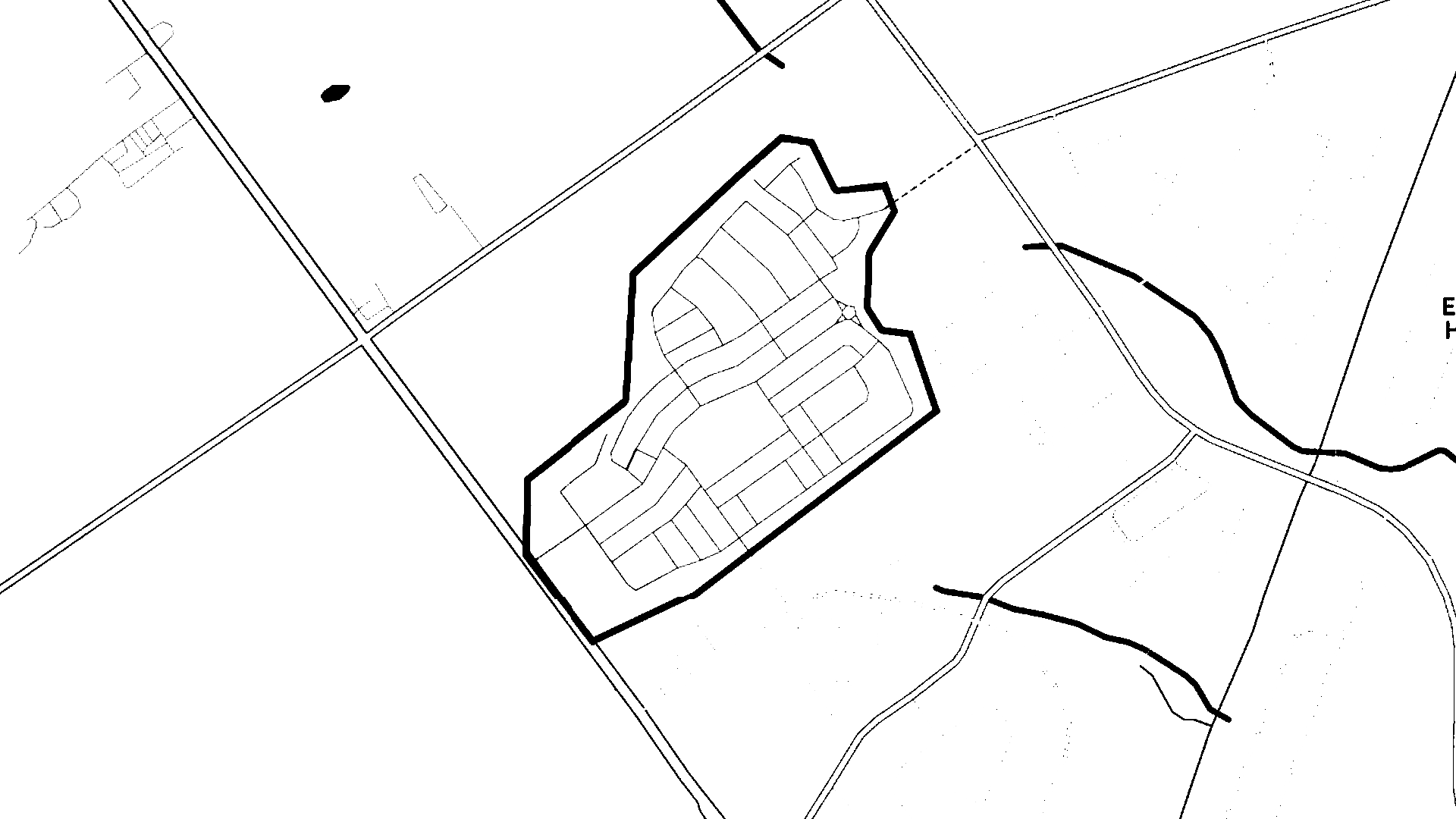
The City of Peterborough will exclude the study area that encompasses the Parklands subdivision in their on-street parking pilot program. This comes after a March 9th meeting of Peterborough City Council, where councillors concluded that it would further aggravate existing parking issues within the subdivision.
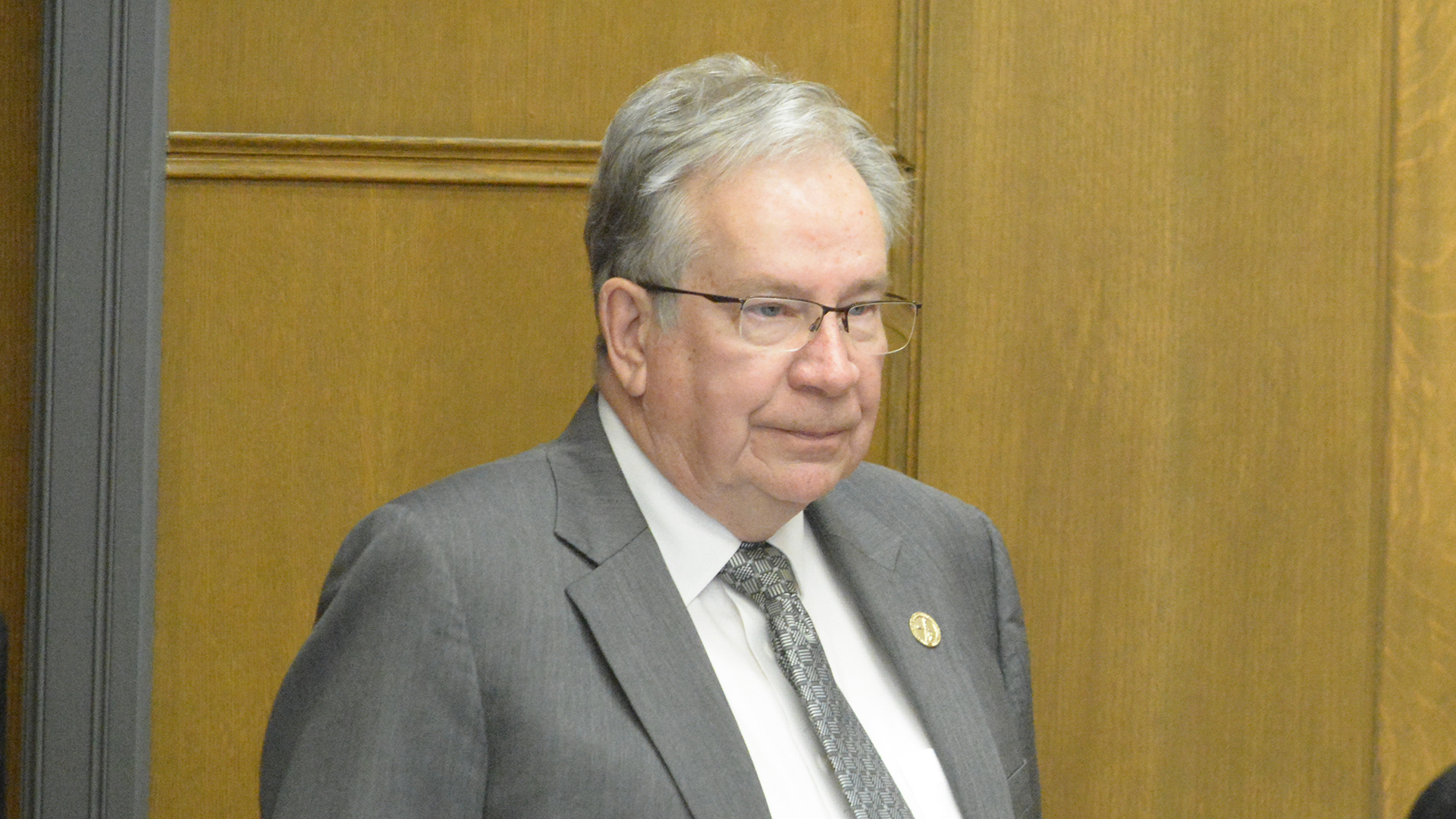
Northcrest Ward Councillor Andrew Beamer motioned to exclude the study area, citing how the subdivision’s streets do not lend themselves to boulevard parking, especially when snow banks further restrict already narrow laneways.
“These are not your regular-width city streets that we see throughout the community,” Beamer told council. “Under a new urbanism build that was approved in 2011, this is a subdivision with very narrow streets.
“We've not only received emails… but we've also received photos and even a video of a bus not being able to pass through one of the narrow streets because there were two cars parked on the side of the road.”
“On-street parking has already been one of the resident's main concerns over the years, as it makes driving through the neighborhood difficult, as I mentioned, when vehicles are parked directly across from each other on the side of the street, the road becomes literally impassable because of the narrow streets, [and] garbage trucks, busses, emergency vehicles have to back up,” Beamer said.
Other councillors instead took issue with the development timeline of the pilot program and the lack of consultation from residents and councillors, including Town Ward’s Alex Bierk, who criticized the program’s implementation for being “rushed” and agreed with Beamer’s motion on principle.
“We all had ideas that are different from a dogmatic way of a consultant looking at a computer and looking at data,” Bierk said. “We represent the real people that live there. We are driving our cars and walking through these neighbourhoods.
“It's extremely frustrating to me that given all this time we've had to do this, granted that there's a lot of work that goes into it, that this report came back to us and put all of us around this table between a rock and a hard place, because we've all had ideas on amendments we can make to tweak the program to better fit our constituents, and in response to that, we're told that there's not enough time.”
In the week since the pilot program was presented to council, most councillors present attested to a surge of constituent feedback regarding parking problem areas within their respective neighbourhoods and wards. Town Ward Councillor Joy Lachica also brought forth concerns from her neighbours in the Avenues, one of the pilot study areas where there already is calendar parking and guided parking through various signage.
“When the pilot is activated, will there be a thought to the issue of permits, populating both sides of the street and creating unreasonable congestion for people getting in and out of their driveways in such a high density area like the Avenues?” Lachica asked Commissioner of Infrastructure, Planning, and Growth Management Blair Nelson.
“The on-street pilot permit parking program will not create new parking spaces, it will only permit spaces that already legally exist, so therefore it will not impede additional challenges with parking if they don't already exist,” Nelson replied. “What's being proposed [here is that] it will allow people to park for longer than the three hour limit.”
Despite the fact that the pilot program will utilize a “first come, first serve” system, planning staff like Nelson seemed to have only a vague idea of what non-resident and temporary parking permits would look like, especially temporary overnight permits—a standard in most larger cities like Toronto.
“We may permit a 24-hour [permit] to somebody, but they have to have linkage to somebody that lives within the zone,” Nelson testified. “So if you had somebody that was visiting out of town and that [resident] was looking to get a parking permit for that visitor to come, it would only be available for… a 24-hour period. It would not be available for an extended period of time.”
It is unclear at this point how the City’s parking permit provider, Hot Spot, will issue a permit to a non-resident without the proof of residency necessary to obtain such a permit during the pilot study.
City staff further cautioned against the amendment, as the removal of the study area could potentially jeopardize the Housing Acclerator Fund (HAF) portion of the pilot program and violate the City’s commitment to study three areas. Commissioner Blair Nelson did provide a solution to this risk though.
“The commitment that the City has made is that it would study three pilot areas, [and] if it's Council's will to remove [the] Parklands area, staff would look to try and figure out a mechanism under which we could split one of the other two areas—probably the pilot area #3—split it into two so we're still offering three parking areas,” Nelson told council.
“Expansion of any of the parking areas would be challenging, because there is a significant amount of data collection and details that need to be collected in order to be in a position to start to operate the pilot areas.”
In order to ensure the HAF funding would be secure after an amendment of this nature, CAO Jasbir Raina would reach out to the applicable contacts to ensure that amending a study area was acceptable.
“I will speak to my connections there, and then we will make a decision whether it's advisable to go there… There's nothing to hide,” Raina told council. “I think it's better to keep them in the loop, instead [of] later on, somebody telling them and giving them a surprise.”
Satisfied that the HAF funding would be safe with the proposed changes, council then proceeded to unanimously approve Councillor Beamer’s amendment to remove the Parklands subdivision from the parking study. The amended motion—to receive the report regarding the pilot program, pass amendments to the City’s parking and user fee collection by-laws, and to have staff present the results of the study to council—carried 9-1 with only Monaghan Ward Councillor Don Vassiliadis opposed.






.png)
The rich text element allows you to create and format headings, paragraphs, blockquotes, images, and video all in one place instead of having to add and format them individually. Just double-click and easily create content.
A rich text element can be used with static or dynamic content. For static content, just drop it into any page and begin editing. For dynamic content, add a rich text field to any collection and then connect a rich text element to that field in the settings panel. Voila!
"Headings, paragraphs, blockquotes, figures, images, and figure captions can all be styled after a class is added to the rich text element using the "When inside of" nested selector system."
The rich text element allows you to create and format headings, paragraphs, blockquotes, images, and video all in one place instead of having to add and format them individually. Just double-click and easily create content.
A rich text element can be used with static or dynamic content. For static content, just drop it into any page and begin editing. For dynamic content, add a rich text field to any collection and then connect a rich text element to that field in the settings panel. Voila!
"Headings, paragraphs, blockquotes, figures, images, and figure captions can all be styled after a class is added to the rich text element using the "When inside of" nested selector system."

.jpg)



.jpg)


