.png)

.jpg)

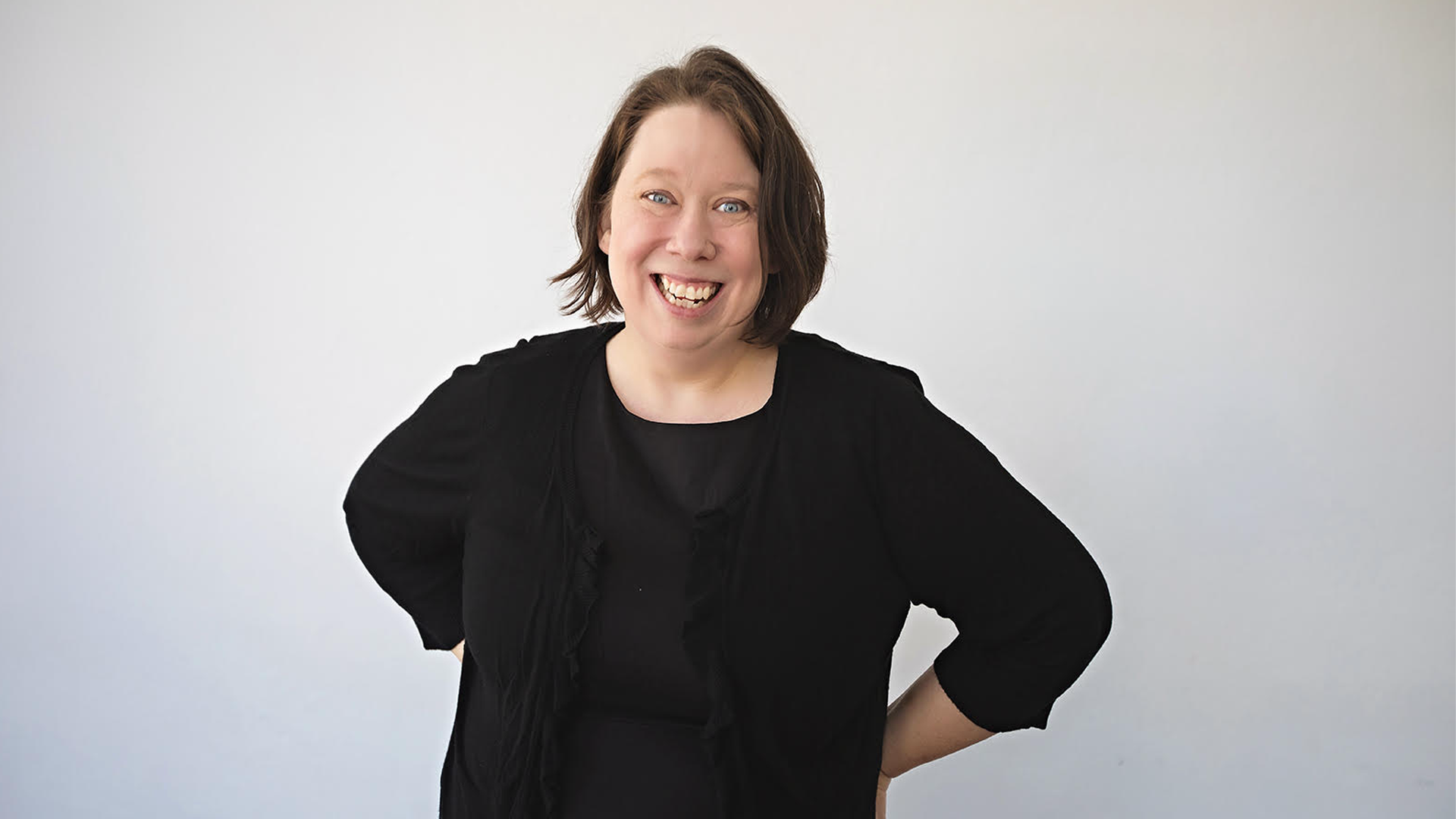
Photographer Jordan Lyall is not a service; she is an artist. The people she works with are participants rather than clients and they create their stories together.
Lyall is a self-taught photographer who describes her work as “documentary-style” photography. She’s had mentorship opportunities with some people who were key figures in developing the family documentary style, which has allowed her practice to expand.
“I love capturing people and capturing moments and I’m very motivated by the joy of capturing connections and real moments with people.”
Lyall’s work is not the typical “family portrait” style of photography. She works on capturing moments that tell stories, that capture memories.
“The way that I do photo sessions, families are able to tell me their stories in a way that they can’t if they are posing,” Lyall says. “Getting to know them better lets me photograph them even better because I know what’s important to them.”
Lyall meets with families in spaces they are comfortable within and at times when a family knows they will generally be very active such as engaging in play, being “their weird selves” as Jordon phrases it, or have regular routines such as before bed. She generally seeks to capture moments that make memories rather than posed, static photos, and particularly highlights moments when kids are behaving in unique ways. To help people get comfortable, she doesn’t even bring out her camera at the beginning of a session and instead chats with folks to let them relax and allow them to be themselves.
“I set the intention of connecting with people at every session. I make sure that my own energy is super calm. I am genuinely curious about people and their lives. People sense that and it helps them to be themselves.” Lyall says.
“I want to show kids that they don’t have to pose or do anything serious with me. By the time the camera comes out, they are just like ‘oh, it's just the lady with the camera’ and they are themselves.”
Lyall’s unique family documentary style has come from a lifelong passion for capturing people’s stories and preserving important moments in people’s lives. She points out that she originally thought that she needed to do the official portrait-style photography even of her own family, but reflects that capturing significant moments in people’s lives where stories are unfolding are where her passion lies.
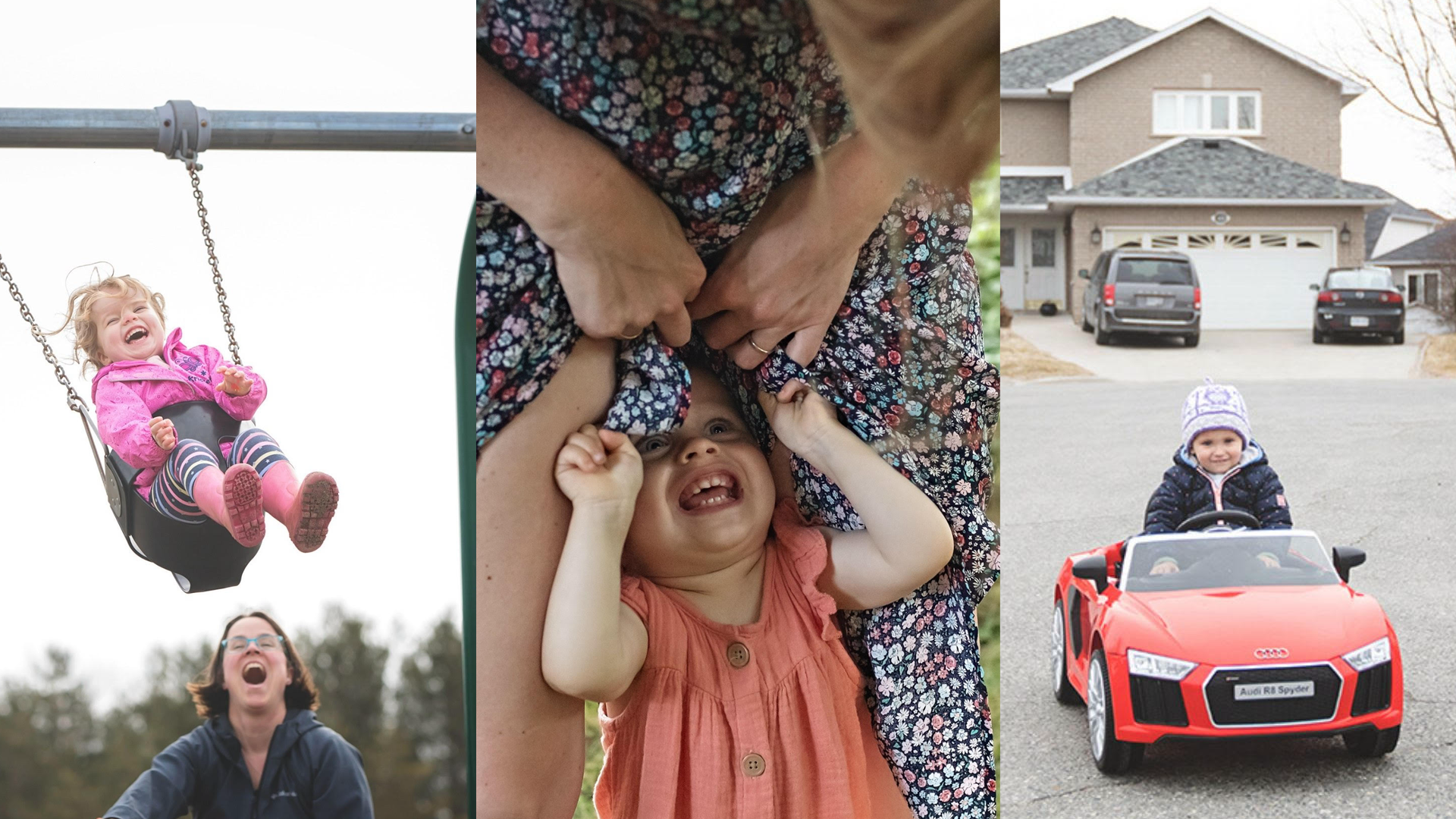
She noticed that the photos of her family that had the most meaning for her were those quirky moments that kids have, those moments when they don’t feel like they have to perform or pose.
“I used to do the posed photos and try to make them perfect.” She observes. “Now, I have a preteen and a teenager, and when I look back at the variety of photos of them throughout their childhood, the posed photos don’t feel like my kids. It’s the documentary-style ones that spark memories.”
Lyall’s style is not just enjoyable for her, it is also far less stressful for the kids she is photographing and their parents.
“People have these ideas of what family photos are and so I did that within that construct,” Lyall says. “I made it as fun as possible to make the sessions interactive, but I couldn’t shake the feeling that this was not the way that kids were wired. I could feel the stress coming off of them in waves.”
“People would be asking if their photo was the perfect photo. So I realized I needed to change the way I was photographing. I did the photos everyone thought they needed, but I couldn’t make that relationship-centred,” she admits.
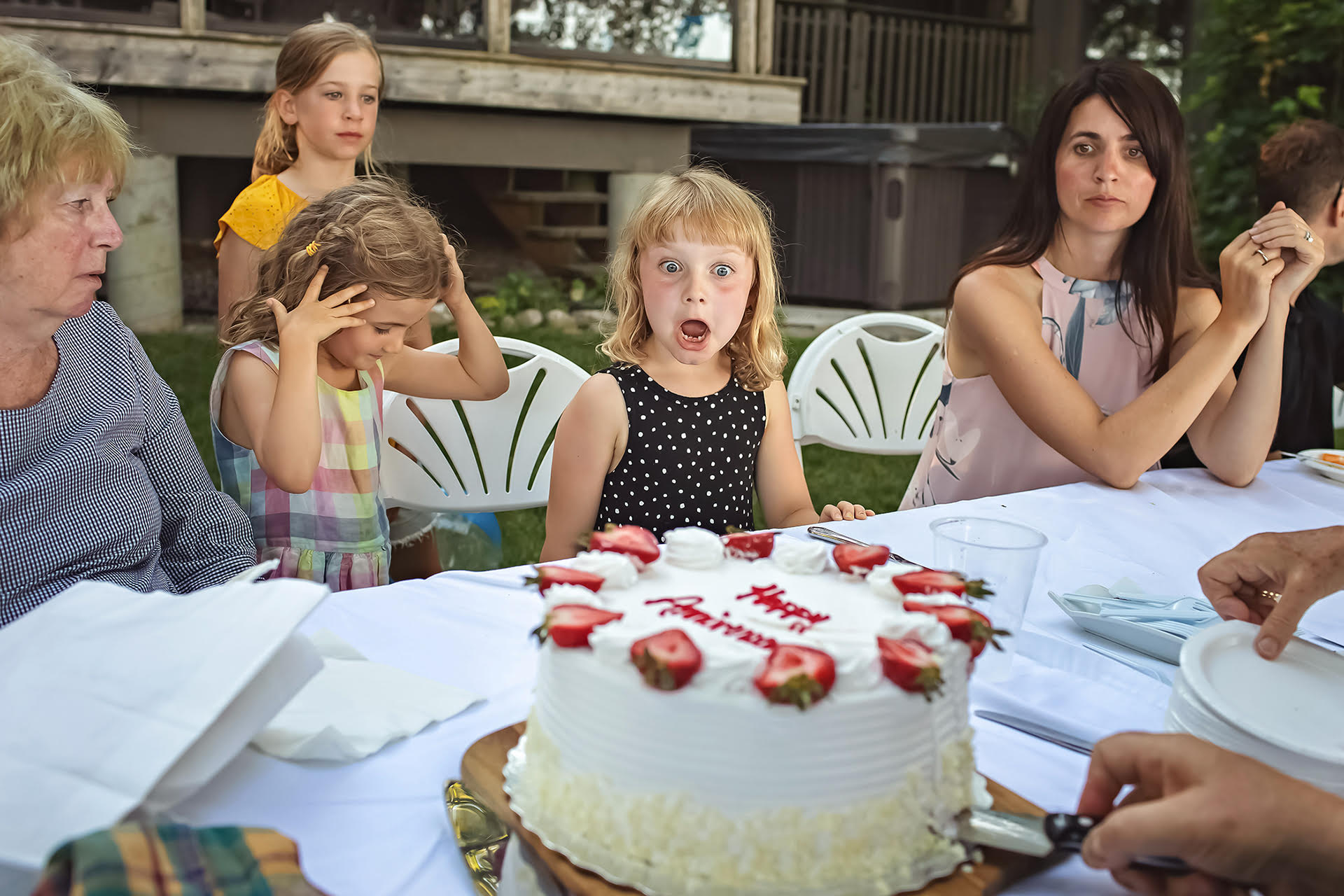
Lyall then realized there are more important things to be photographing and changed what she was doing.
“Just before the pandemic, I realized I could be photographing families the way that I photographed weddings. The first session I did in documentary-style, I felt like this was what I was meant to be doing,” she says. “Three years ago, I made it clear that I am a documentary photographer and capture those moments as they happen rather than people just staring at the camera.”
Lyall allows her curiosity to guide her photography, wanting to find out people’s stories and capture the moments that are meaningful to them.
“I love what I do with families, but ultimately I am a photographer of people and I just love photographing those moments for those who need them like not-for-profits, businesses, capturing the work of artists and makers and capturing their process and engagement in their work,” Lyall points out. “This year I had the opportunity to work as a journalist. For longer format stories, when you need images to support that story, what I do would work really well with that.”
“People often have an assumption that getting professional photos means a head shot,” Lyall observes. “Head shots don’t tell you about the work you are doing or what you care about. This is something that is missing. There is so much more than just a head shot.”
This summer, Lyall will be leading a workshop on photography for Trent’s Camp Fyrefly and have the opportunity to work with Queer youth. Her hope is to “talk about how it is empowering to photograph the world the way you see it,” and help kids to find those significant moments in their lives and capture them.
She also intends to work with the kids on the technical aspect of their work and how lighting shapes their photos. This is a workshop that Lyall also does with businesses and not-for-profits, in long term care homes, and with communities of teens.
“It doesn’t matter who you are, anyone can take photos,” Lyall says. “I can’t be with you every day, so I want to encourage people to photograph what they love about their lives.”

.jpg)


.png)
The rich text element allows you to create and format headings, paragraphs, blockquotes, images, and video all in one place instead of having to add and format them individually. Just double-click and easily create content.
A rich text element can be used with static or dynamic content. For static content, just drop it into any page and begin editing. For dynamic content, add a rich text field to any collection and then connect a rich text element to that field in the settings panel. Voila!
"Headings, paragraphs, blockquotes, figures, images, and figure captions can all be styled after a class is added to the rich text element using the "When inside of" nested selector system."
The rich text element allows you to create and format headings, paragraphs, blockquotes, images, and video all in one place instead of having to add and format them individually. Just double-click and easily create content.
A rich text element can be used with static or dynamic content. For static content, just drop it into any page and begin editing. For dynamic content, add a rich text field to any collection and then connect a rich text element to that field in the settings panel. Voila!
"Headings, paragraphs, blockquotes, figures, images, and figure captions can all be styled after a class is added to the rich text element using the "When inside of" nested selector system."

.jpg)
.png)