.png)




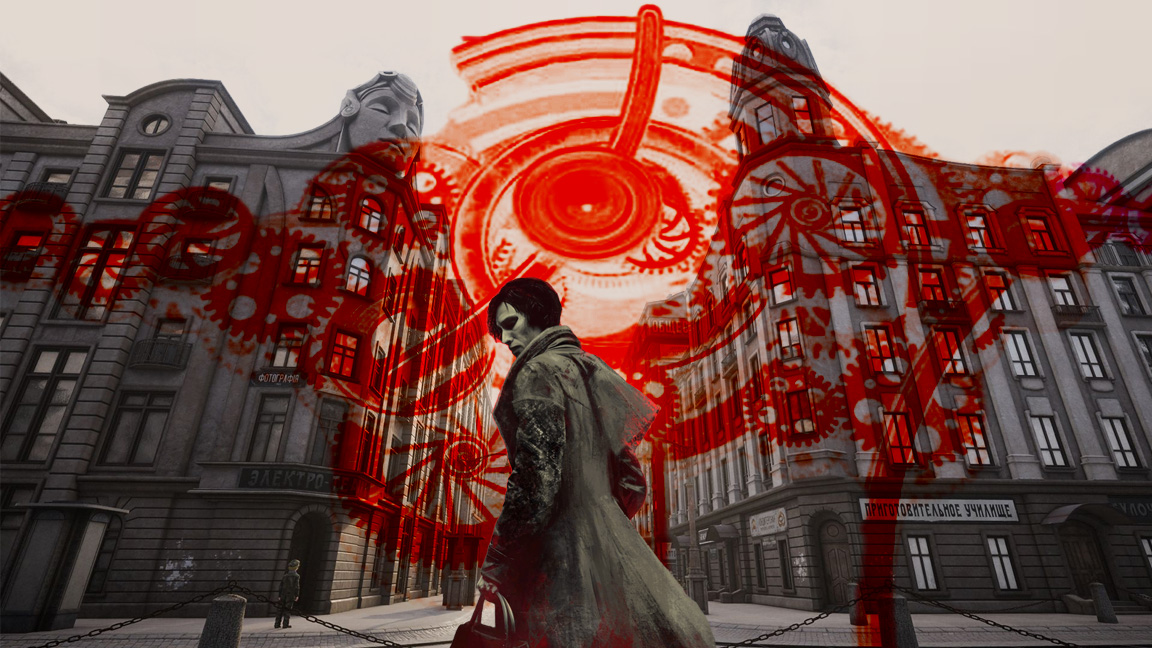
The Nest is a feature-length documentary co-written and directed by decolonial writer Julietta Singh and celebrated filmmaker Chase Joynt. The film centers on Singh’s research and investigation of the past residents of her childhood home in Winnipeg, Manitoba. The Victorian era house, lovingly restored by Singh's mother, reveals long-hidden histories, identities, and meaning.
This poignant film is about Singh as much as it is about her daughter, her mother, and the enduring memory of all the courageous women that preceded them. Within “the nest,” a sacred dwelling brimming with forgotten memories, we meet a diverse sisterhood, transcending the passage of time. The Nest blends memory with marginalized pasts and feminist resistance as it explores a rich and enlightening account of Indigenous, Deaf, Japanese and South Asian histories dating back 140 years.
A remarkable chronicle of key women from these communities who graced the halls of the home is revealed by Singh and other community members tied to the home’s past or drawn to its untold story. The first history that the film spotlights is of Métis matriarch Anne Bannatyne, an unwavering defender of Indigenous peoples, who built “the nest,” and established the Winnipeg General Hospital.
As a decolonial writer and active participant in this film, Singh’s narration adds depth to an insightful retelling of repressed histories. Singh becomes a voice for the home and its previous residents as she explores a complex and remarkable past. An emphasis on family and generational memory is also brilliantly weaved through personal relationships between Singh, her mother, and daughter featured in the film. The Nest’s atmospheric, personal, and raw qualities build on an emotional weight that lingers throughout the film and reaches the viewer in a very wistful way.
Though much of the film is framed by Singh’s perspective, it distinctively presents a multi-layered narrative through performances informed by lived experience which give life to an archive. The Nest acts as a memoir that brings light to the stories that are often swept under the rug of patriarchal history. Participants in this film are invited to embark on introspective journeys and uncover a past that calls out to them; a process through which they can find and reclaim meaning in the present.
One message within this film is clear: the past remains accessible to those who desire to actively seek it out. The Nest shows that forgotten histories are bound to go untold unless they are unraveled by active participants in the present. The film not only reveals a past that was silenced, but restores meaningful history by virtue of a collective desire and shared responsibility. For those who love ReFrame as a space that brings forth dormant stories for reexamination, this film is a must-see. The Nest contemplates an intimate and evolving community, and stages an elegant weaving of culture, identity, archive, memory, past and present. This film sews new stories into the tapestry of history.



.png)
The rich text element allows you to create and format headings, paragraphs, blockquotes, images, and video all in one place instead of having to add and format them individually. Just double-click and easily create content.
A rich text element can be used with static or dynamic content. For static content, just drop it into any page and begin editing. For dynamic content, add a rich text field to any collection and then connect a rich text element to that field in the settings panel. Voila!
"Headings, paragraphs, blockquotes, figures, images, and figure captions can all be styled after a class is added to the rich text element using the "When inside of" nested selector system."
The rich text element allows you to create and format headings, paragraphs, blockquotes, images, and video all in one place instead of having to add and format them individually. Just double-click and easily create content.
A rich text element can be used with static or dynamic content. For static content, just drop it into any page and begin editing. For dynamic content, add a rich text field to any collection and then connect a rich text element to that field in the settings panel. Voila!
"Headings, paragraphs, blockquotes, figures, images, and figure captions can all be styled after a class is added to the rich text element using the "When inside of" nested selector system."

.jpg)
.jpg)