.png)



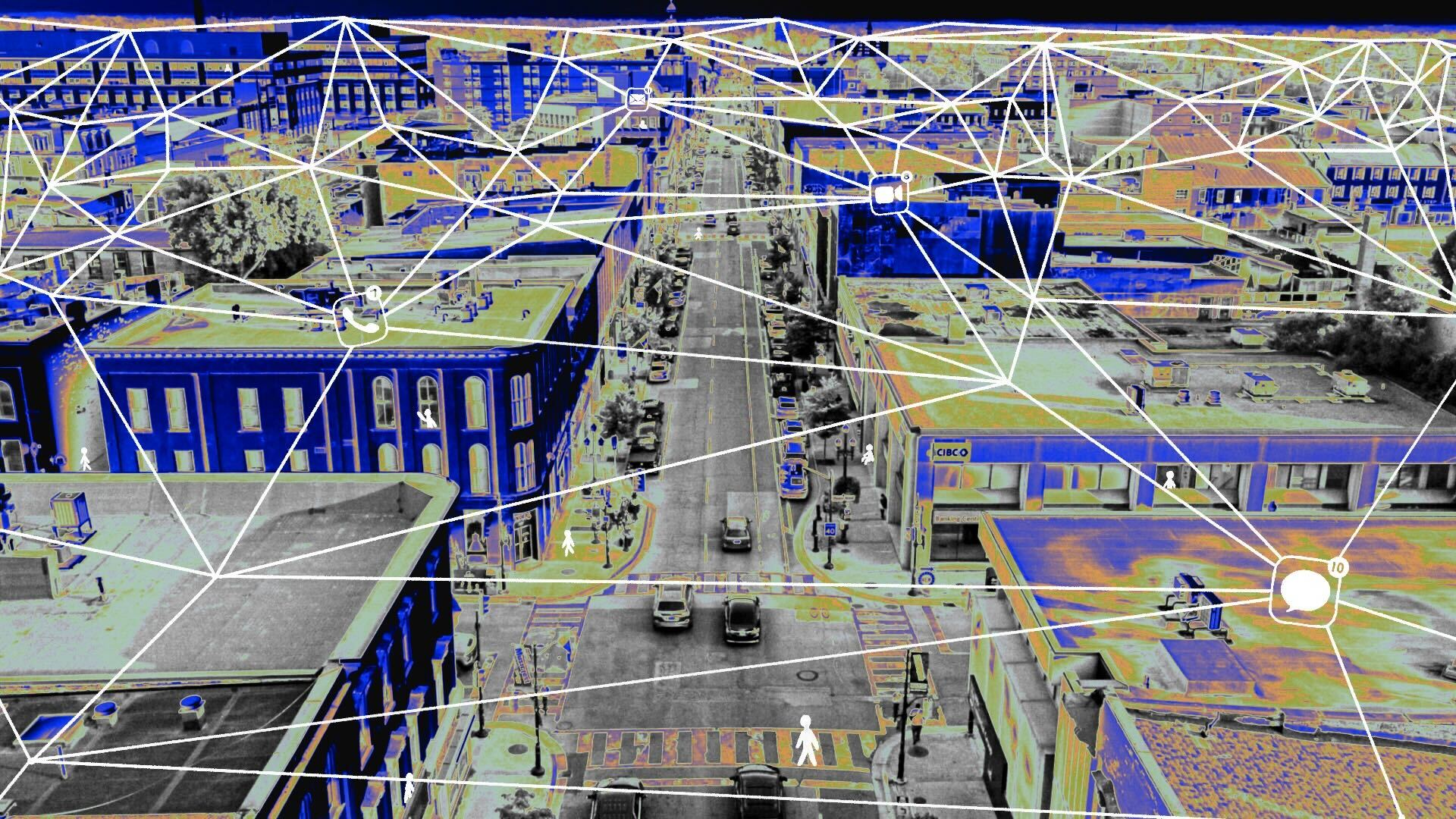
Loneliness today has a peculiar texture.
It does not always announce itself as isolation. Often it arrives in crowded rooms. In lecture halls filled with bodies but absent of warmth. In long message threads that never quite touch anything real. In the feeling of being surrounded and unseen at the same time.
It is a loneliness that confuses people, because it persists even when we are “doing everything right.” We are social. We are productive. We are connected. And yet, something inside us feels unheld.
So, we turn inward and ask the questions we have been trained to ask: What is wrong with me?
But what if loneliness is not an individual flaw to be corrected? What if it is a signal—an ecological one—telling us that something essential in our environment has been broken?
We live in a culture that treats emotional pain as a private problem. If you are lonely, the assumption is subtle but firm: you are lacking something. Confidence, social skills, healing, desirability, effort.
Loneliness becomes another site of self-surveillance. Another place to optimize. Another reason to self-correct.
But ecosystems do not work this way.
When a river becomes polluted, we do not blame the fish for struggling to breathe. When a forest begins to thin, we do not accuse the trees of insufficient resilience. We look to conditions. To systems. To patterns of disruption.
Loneliness deserves the same generosity of interpretation.
Because what we are experiencing is not merely the absence of companionship—it is the collapse of belonging.
In living systems, isolation is the exception, not the rule.
Trees are not solitary beings. Beneath the soil, their roots are braided together through mycorrhizal networks—fungal threads that move nutrients, information, and care across entire forests. A tree shaded from the sun may survive because another sends it sugar. A sick tree may be supported rather than abandoned.
Life persists through relationship.
Humans evolved inside similar webs. For most of our history, identity was not something we constructed alone. It was something conferred through place, kinship, shared labour, and shared time. You belonged because you were known. Because your presence mattered to the functioning of the whole.
Modern life has quietly dismantled these conditions.
We move often. We live among strangers. We work in isolation. We replace communal rituals with individual achievement. We trade continuity for convenience. Our lives are mobile, efficient, and profoundly unrooted.
Loneliness is not a mystery in this context. It is the predictable outcome of a habitat that no longer supports relational life.
Our loneliness is designed into the spaces we inhabit.
Cities optimized for speed rather than gathering. Campuses designed for throughput rather than intimacy. Housing that isolates instead of clusters. Workdays that fracture time into unusable fragments. Public spaces that discourage lingering unless you are spending money.
Even our digital worlds mirror this logic—endless connections without commitment, visibility without witnessing, communication without co-presence.
We are everywhere, but rarely together.
Belonging requires repetition. It requires being seen across time. It requires shared rhythms that allow nervous systems to synchronize. These things cannot survive in environments that treat slowness as inefficiency and need as weakness.
Loneliness, in this sense, is not accidental. It is structural.
At the heart of this crisis is a deeply held illusion: that humans are meant to be self-contained.
We are taught to admire independence, self-sufficiency, emotional restraint. We praise those who need little, ask for less, and manage everything internally. Interdependence—the actual condition of human life—is rarely named and often shamed.
But humans are not closed systems.
Our nervous systems regulate through contact. Our sense of self emerges through mirroring. Our meaning is stabilized through shared stories. Without these relational feedback loops, the psyche begins to drift.
Loneliness is what happens when the self is forced to carry what was never meant to be held alone.
It is not a sign of fragility. It is a sign of truthfulness.
There is another layer to this epidemic, one that is less often spoken aloud.
Many people are lonely not only for other humans, but for the world itself.
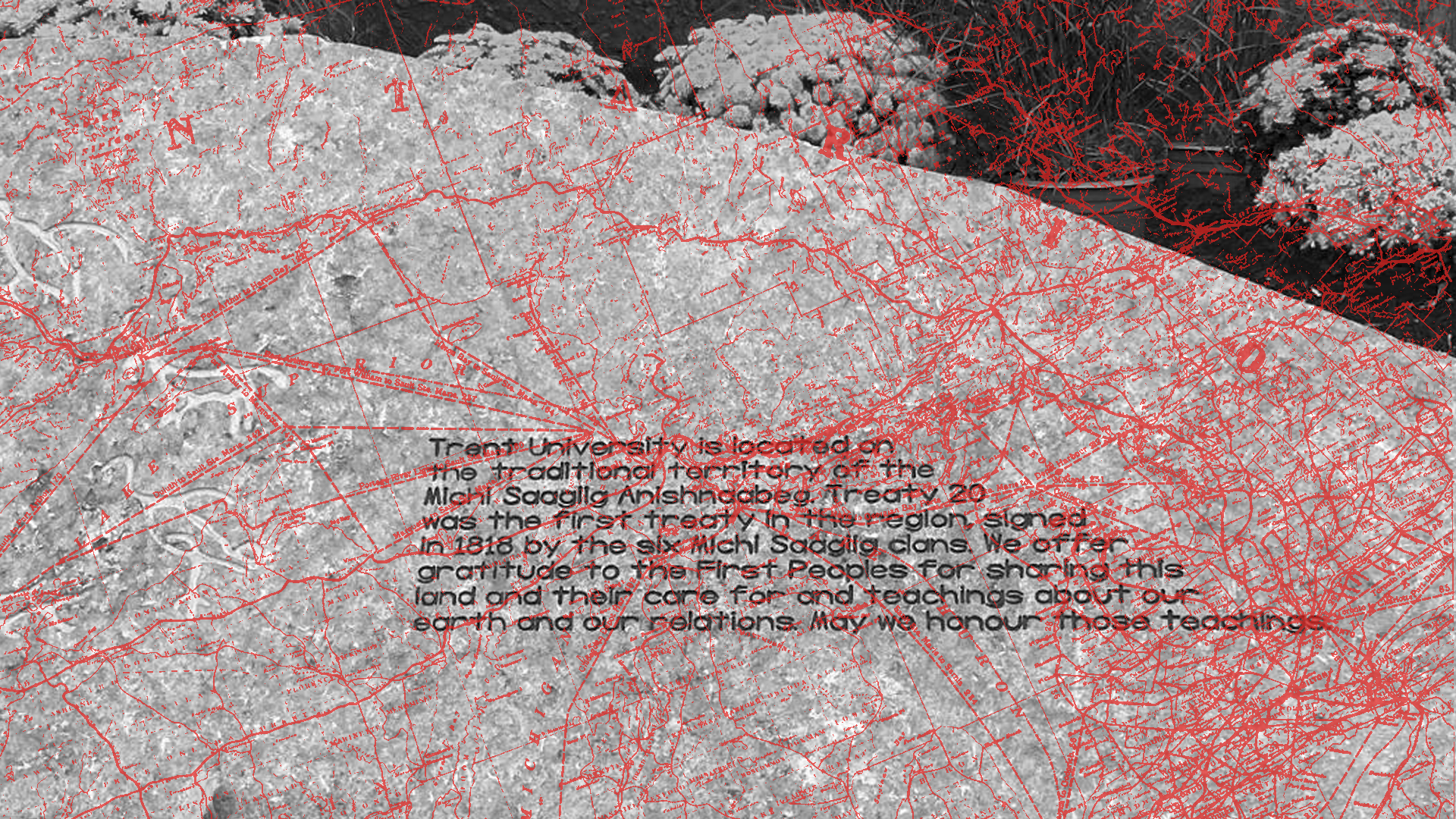
We were not meant to live severed from Land, seasons, weather, and non-human kin. We were meant to feel time pass through our bodies. To know the soundscape of our home place. To recognize which beings share our days.
Instead, we live indoors, under artificial light, buffered from silence, insulated from cycles. We move through landscapes without relationship, without reciprocity, without familiarity.
This kind of disconnection produced a specific kind of grief—a spiritual loneliness that no amount of socializing can touch. A feeling of floating untethered, unrecognized by anything older or larger than ourselves.
When we lose relationship with Land, we lose one of the deepest sources of belonging we have ever known.
Faced with loneliness, we are offered solutions that remain stubbornly individual: heal more, try harder, become better at connection.
These practices are not meaningless—but they are incomplete.
You cannot co-regulate alone. You cannot recreate community through effort. You cannot self-optimize your way out of an ecological rupture.
Loneliness is not cured by becoming smaller, quieter, or more palatable. It is relieved when environments change—when people are allowed to need one another again without shame, when time is made thick enough for trust to grow, when belonging is treated as a collective responsibility rather than a personal achievement.
The ache persists because it is pointing to something real.
Loneliness hurts because it remembers what it has lost.
It remembers shared times that were not rushed. Shared work that mattered. Shared silence that did not need to be justified. It remembers what it feels like to be necessary—not exceptional, not impressive, but needed.
This is why loneliness feels existential. It asks a question deeper than “who will sit with me?” it asks: Where do I belong? Who would notice if I disappeared?
These are not pathological questions. They are primordial ones.
Relief does not arrive as a dramatic breakthrough.
It arrives peacefully, through continuity.
Through places that begin to recognize you. Through people who see you repeatedly, imperfectly, without performance. Through rituals that return, even when enthusiasm fades. Through land that holds your body long enough for it to soften.
Relief lives in re-entry.
In choosing depth over scale. In choosing presence over novelty. In letting yourself be shaped by place instead of endlessly escaping it.
This isn’t romanticism, folks—it’s repairs.
Resolve does not mean pretending this is easy.
It means refusing to internalize a pain that makes sense.
It means understanding that loneliness is not evidence of inadequacy, but evidence of attunement—that you are sensitive enough to feel disconnection in a world that demands numbness.
Resolve looks like choosing interdependence in a culture that rewards isolation. It looks like rebuilding belonging slowly, locally, and without guarantees. It looks like letting yourself need and letting that need be seen.
Not all at once. Not perfectly. But deliberately.
The dominant story tells us to cope, adapt, and optimize ourselves into tolerability.
A softer story invites us to return.
To one another, to Land, to rhythms that make room for grief, rest, and repetition.
Loneliness is not your private shame. It is a message—one asking for environments capable of holding human life again.
When that message is listened to, something begins to loosen.
The ache remains, but it becomes intelligible. The longing sharpens, but it points somewhere real. And resolve emerges—not as certainty, but as direction.
Toward belonging that is cultivated, not earned. Toward connection that is slow enough to be true. Toward a world where no one has to wonder alone whether they matter.









.png)
The rich text element allows you to create and format headings, paragraphs, blockquotes, images, and video all in one place instead of having to add and format them individually. Just double-click and easily create content.
A rich text element can be used with static or dynamic content. For static content, just drop it into any page and begin editing. For dynamic content, add a rich text field to any collection and then connect a rich text element to that field in the settings panel. Voila!
"Headings, paragraphs, blockquotes, figures, images, and figure captions can all be styled after a class is added to the rich text element using the "When inside of" nested selector system."
The rich text element allows you to create and format headings, paragraphs, blockquotes, images, and video all in one place instead of having to add and format them individually. Just double-click and easily create content.
A rich text element can be used with static or dynamic content. For static content, just drop it into any page and begin editing. For dynamic content, add a rich text field to any collection and then connect a rich text element to that field in the settings panel. Voila!
"Headings, paragraphs, blockquotes, figures, images, and figure captions can all be styled after a class is added to the rich text element using the "When inside of" nested selector system."

.jpg)




.jpg)