.png)



They always ask for the clean version.
The version that fits into five minutes. The version that opens meetings politely, that doesn’t disrupt the agenda, and that leaves everyone feeling good enough to proceed.
The Land acknowledgement is given before budgets are approved, before permits are signed, before developments are greenlit. It is given before Land is cut, drained, rezoned, fenced, priced, and sold back to the public as “green space.” These acknowledgements are not interruptions. They are transitions.
The Land acknowledgement is not an interruption: it is lubrication.
I have watched people say the words with steady voices and trembling hands—not because they are afraid of history, but because they are afraid of feeling it. They speak quickly, efficiently, eyes scanning the room for approval. They pronounce the names carefully, as if careful pronunciation is the same thing as care.
It is not.
The Land acknowledgment has become a controlled burn: just enough heat to release pressure, not enough to change anything. And everyone in the room knows it. The horror here is not that the words are wrong, the horror is that they are true—and still do nothing.
We acknowledge that this Land was stolen.
We acknowledge that treaties were broken.
We acknowledge that Indigenous peoples were displaced, starved, removed, and erased.
We acknowledge all of it. And then we proceed as planned.
That is the part that makes me sick.
History did not end: it was redesigned.
The original violence was loud. Militarized. Explicit. Armies; legislation; starvation policies; residential schools; forced sterilization; child removals. The Land was taken with guns, crosses, and paperwork soaked in blood.
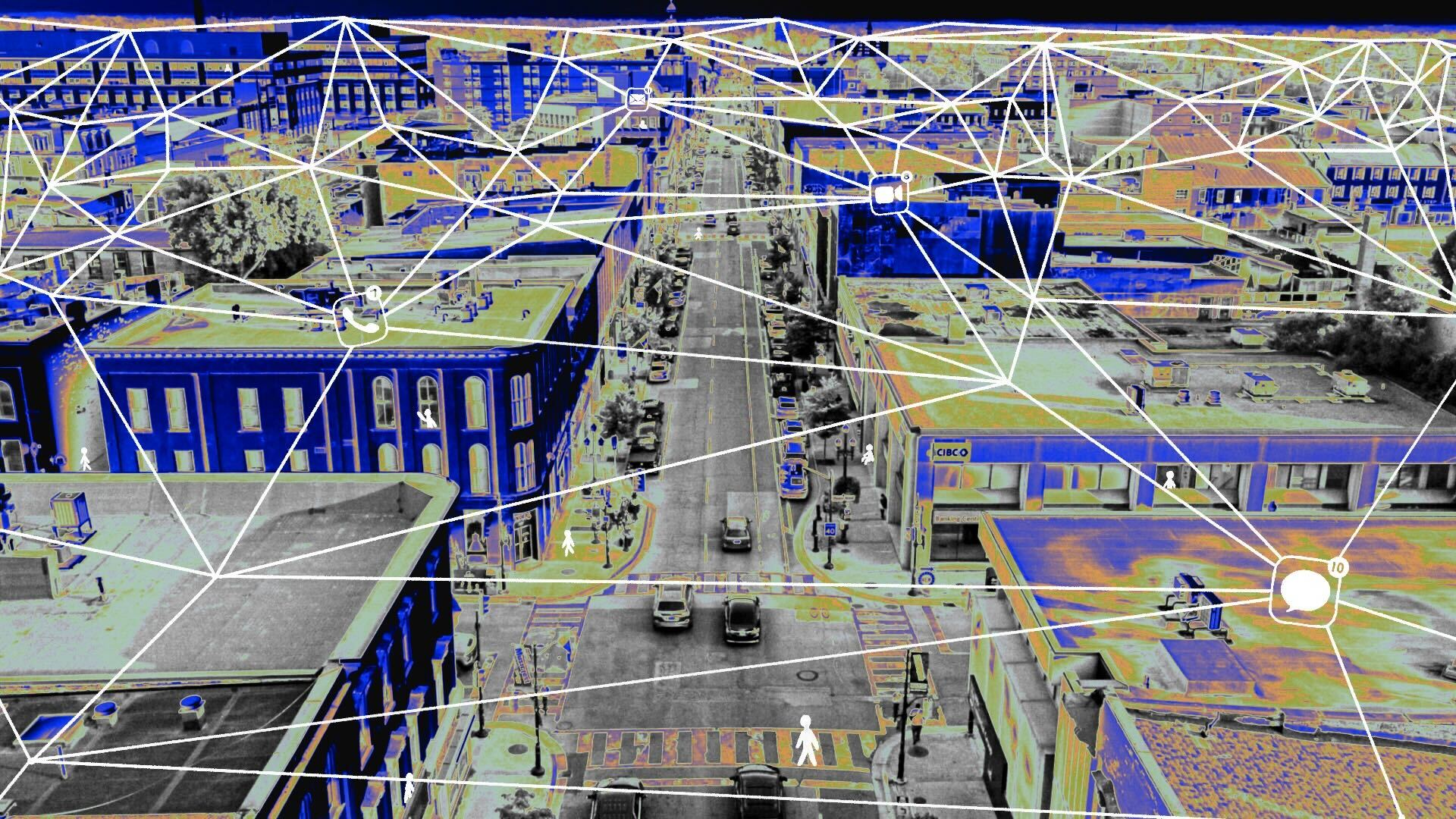
The modern violence is quieter. It uses microphones.
The Land acknowledgment is a psychological operation. Not against Indigenous people—but against settlers themselves. It allows the speaker to brush against the truth briefly without letting it lodge in the body. It offers a controlled encounter with guilt that does not require surrender.
It is exposure therapy without treatment.
Say the word. Feel the discomfort. Relieve it with applause. Move on.
The system remains intact.
What makes this frightening is not ignorance, but fluency.
Most people in those rooms know the history. They know about Land theft, treaty violations, and ongoing dispossessions. They know Indigenous communities are still fighting for clean water, Land back, burial protection, and sovereignty. They also know precisely how far the acknowledgment protects them.
It creates the appearance of conscience while preserving access. That is not accidental.
The acknowledgement functions like a waiver.
By naming the harm, institutions claim moral jurisdiction over it. The past is acknowledged, categorized, and archived. It becomes something that has been “addressed” simply by being spoken aloud. Meanwhile, the violence is relocated safely into history—even though it is ongoing.
That dislocation is the trick.
And here is the part people don’t want to hear: The Land acknowledgment is not failing. It is succeeding exactly as designed.
It allows people to occupy stolen Land while publicly recognizing that it is stolen—without returning it, changing their relationship to it, or relinquishing control. It allows people to feel ethical while remaining extractive. It allows institutions to pre-empt critique by doing it first.
This is not humility. It is a containment.
And the Land is still being destroyed. That is what makes it unbearable.
I have sat through acknowledgments given moments before approving clear-cuts, pipelines, subdivisions, mining projects, conservation plans that exclude Indigenous governance, and “sustainability initiatives” built on the same property regime that caused the damage in the first place.
That acknowledgment does not interrupt the harm. It frames it.
Psychologically, this is where the damage occurs. Not to the Land, but to the people speaking. When you repeatedly name a truth and refuse to act on it, something fractures internally. The mind learns to tolerate contradiction. Ethics split from behaviour. Dissonance becomes livable.
That fracture scales. It becomes institutional personality.
This is how systems learn to do harm without flinching.
The most disturbing part is the tone. Land acknowledgments are often delivered softly, reverently—as if the violence they describe were gentle. As if dispossession were a natural process. As if history were weather.
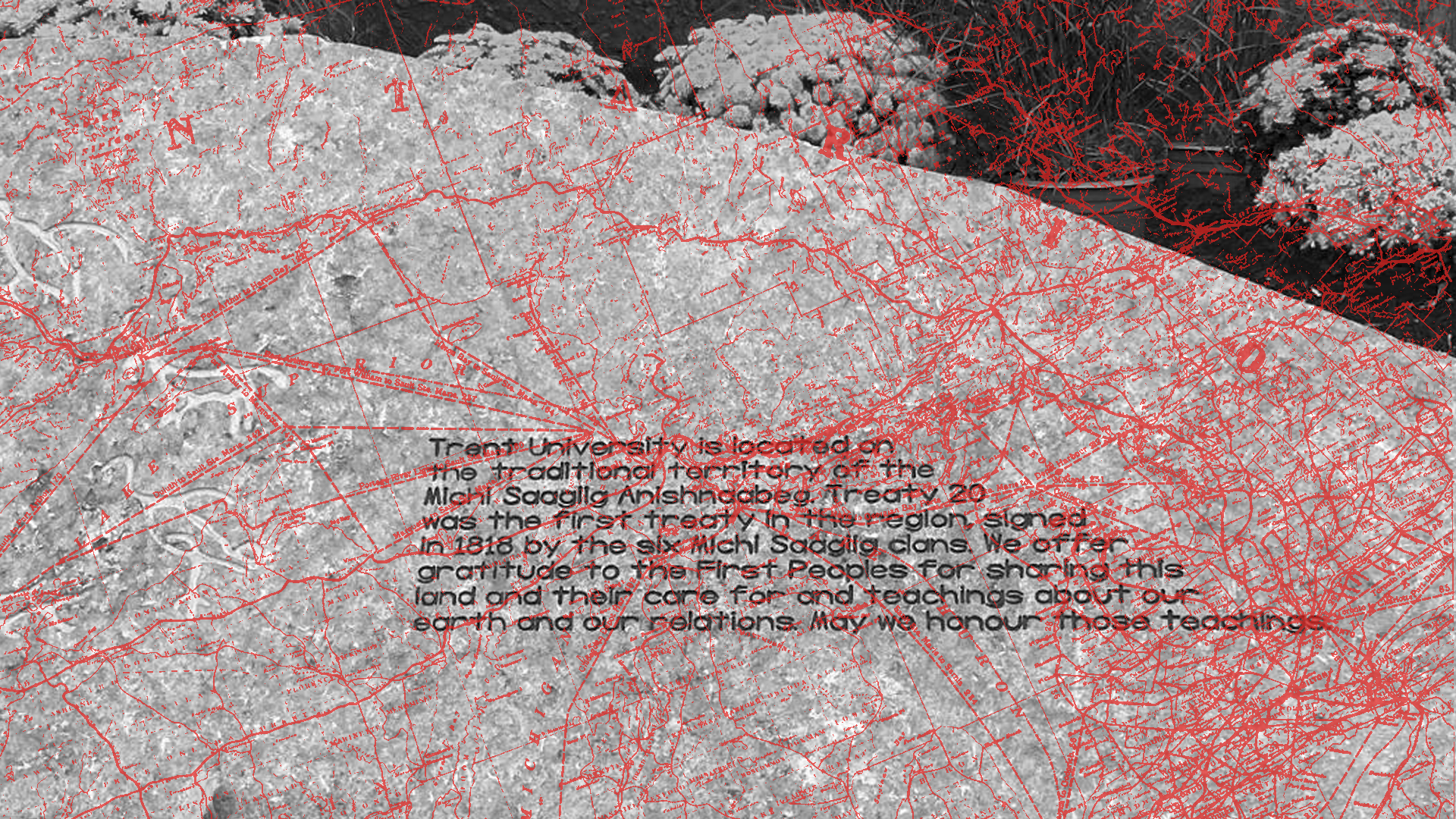
“We acknowledge that we are on the traditional territory of—”
The sentence structure matters.
We acknowledge that we are on.
Not we are occupying. Not we are benefiting from. Not we are responsible for. Just on. A floating preposition.
Language like this trains the body to remain still while saying unbearable things. It teaches the nervous system that knowledge does not require response, that horror can be domesticated through repetition.
This is how people learn to coexist with atrocity.
There is a reason acknowledgments feel unsettling when you sit with them too long. Your body knows something your intellect has been trained to ignore. Your body knows that if the words were real, the room would not be intact afterward.
Because real acknowledgment demands consequence.
Real acknowledgment destabilizes. It changes who gets to decide what happens next. And that is precisely what the current ritual avoids.
The people who give Land acknowledgment often believe they are doing the ethical thing. They are not lying. They are participating in something worse: ethical theatre.
They are performing awareness while insulating themselves from responsibility. That performance accumulates. It hardens.
Eventually, the acknowledgment stops producing discomfort at all. It becomes background noise. That is when the real damage is done—because when atrocity becomes routine, it no longer needs justification. Only maintenance.
Real acknowledgment would require giving something up. Time. Money. Control. Certainty. Notice how quickly the room goes quiet when those words are introduced.
The Land does not need to haunt us.
We are already haunted by what we have normalized: our ability to speak of genocide calmly, professionally, and without interruption, then immediately proceed to profit from its outcomes. By the fact that entire careers, institutions, and moral identities have been built on Land we openly admit is stolen—and call that honesty.
The truth is this: the acknowledgment is not for the Land, nor the Indigenous people. It is for settlers to remain psychologically intact while doing nothing.
And still, the Land remains.
Under buildings, under roads, under the carefully worded statements. Holding memory we refuse to metabolize—not as revenge—but as fact.
One day, people will ask how it was possible. How so many could know and still proceed. How the truth could be spoken out loud, again and again, without stopping anything.
The answer is simple.
We practiced.





.png)
The rich text element allows you to create and format headings, paragraphs, blockquotes, images, and video all in one place instead of having to add and format them individually. Just double-click and easily create content.
A rich text element can be used with static or dynamic content. For static content, just drop it into any page and begin editing. For dynamic content, add a rich text field to any collection and then connect a rich text element to that field in the settings panel. Voila!
"Headings, paragraphs, blockquotes, figures, images, and figure captions can all be styled after a class is added to the rich text element using the "When inside of" nested selector system."
The rich text element allows you to create and format headings, paragraphs, blockquotes, images, and video all in one place instead of having to add and format them individually. Just double-click and easily create content.
A rich text element can be used with static or dynamic content. For static content, just drop it into any page and begin editing. For dynamic content, add a rich text field to any collection and then connect a rich text element to that field in the settings panel. Voila!
"Headings, paragraphs, blockquotes, figures, images, and figure captions can all be styled after a class is added to the rich text element using the "When inside of" nested selector system."

.jpg)


.jpg)