.png)



.png)
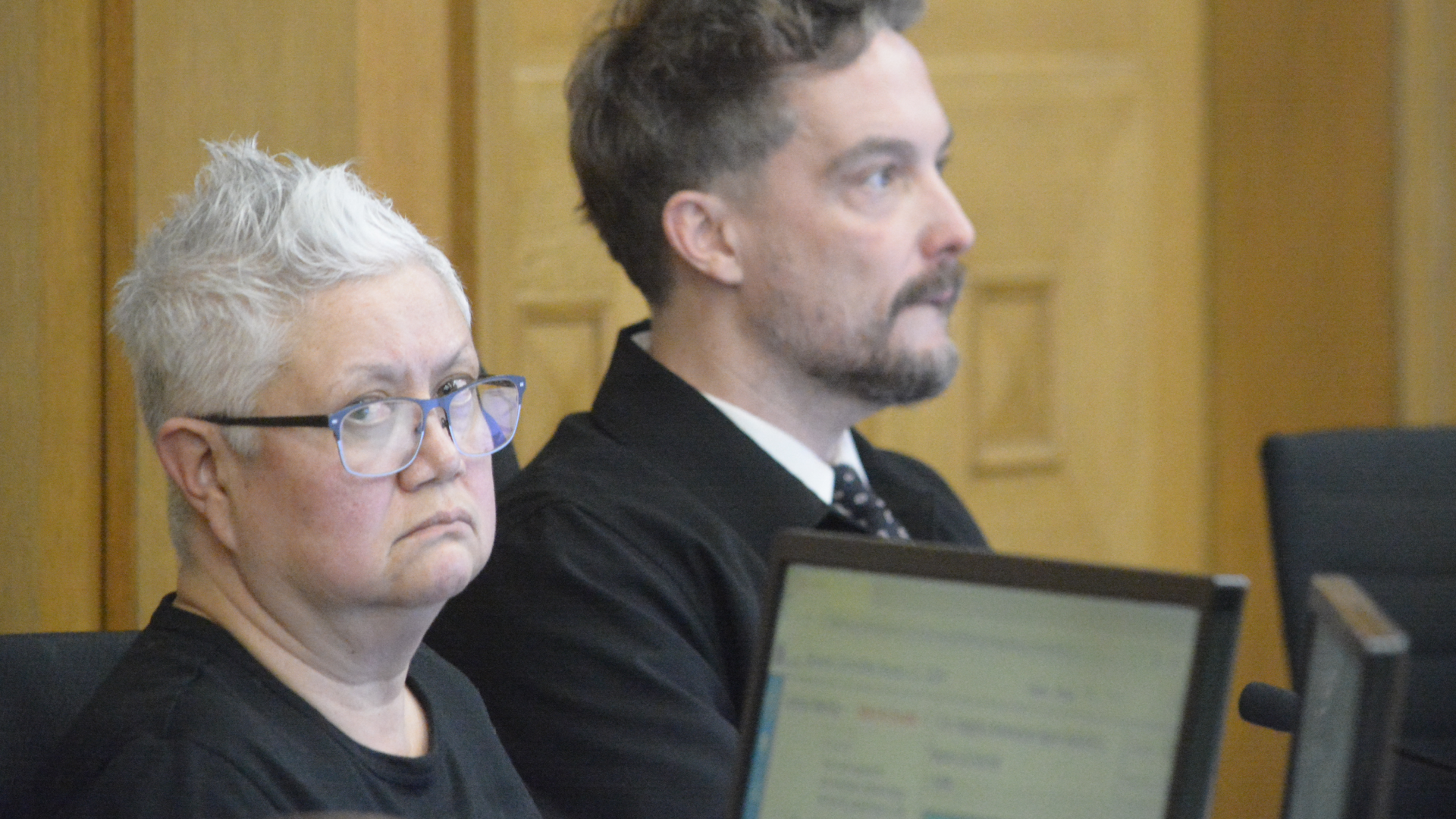
At a City Council meeting on the night of October 14th, councillors received a notice of General Electric (GE)-Vernova’s intent to demolish a portion of their factory complex at 107 Park Street North.
The GE factory, which ceased operations in 2017, played a large role in the industrial development of the city of Peterborough as one of its largest employers, but also as the source of many workers and locals’ exposure to volatile organic compounds.
The entire site was, until October 14th, on the Peterborough Architectural Advisory Committee (PACAC)’s list of potential heritage sites. This was the topic of the original staff recommendation presented by City staff last week in response to GE Vernova’s notice of intent to demolish part of the site.
Along with their notice of intent, GE Vernova sent the City a comprehensive Heritage Impact Assessment Report from ERA Architects Inc. Inside the report, ERA recommended that only part of the buildings making up the complex should be considered for a heritage designation, leaving the rest completely open for demolition. According to GE Vernova, many of these buildings are in disrepair, and leaving them undemolished poses a public safety risk.
In a staff report received at a general committee meeting last week, Peterborough city staff recommended that the City receive GE’s intent to demolish, but order a peer review of the ERA impact assessment report, which would then be presented to PACAC to inform their decision on the site’s designation.
During that general committee meeting, however, councillors voted to amend staff’s recommendations. The amended recommendation, which was presented to council on October 14th for ratification, completely removed any mention of a peer review and signalled “[t]hat council has no interest in pursuing heritage designation of 107 Park Street North with the exceptions of” the buildings recommended in the ERA report.
This was a topic of much controversy, as a full list of public delegations on the item spoke to their opposition to the demolition. Before the beginning of these delegations, members of council made their feelings on the night’s procedures clear.
“As the Chair of this meeting it is my obligation to ask delegations to speak to the matter which is on the agenda tonight, which is the question of the heritage considerations related to the GE property,” said Mayor Leal.
“The issue of the demolition permit is a subject of the Provincial regulatory requirements under the Building Code Act administered by the Chief Building Official [CBO]. I will give some latitude this evening to residents because this is an important forum for our community. But I would also ask questions, et cetera to stay on topic.”
Still, Leal stressed to residents that their concerns—particularly those surrounding the presence of carcinogenic and otherwise harmful substances at the GE site—would not go unheard.
“I understand the concerns of many residents who worry about the demolition plan and the disposal of potentially hazardous materials if a demolition permit is granted,” he told the public present.
“I have had many chats with citizens of Peterborough on this topic at the farmers’ market this past Saturday. That's why I've asked the honourable Todd McCarthy, [Ontario] Minister of the Environment, Conservation and Parks and [Member of Provincial Parliament representing Peterborough] Dave Smith, to meet with me regarding the ministry's role in managing the GE site,” said Leal.
“Questions and concerns about this important demolition and its impact on our community are vitally important to all, but environmental controls on the property are outside of the jurisdiction of the municipality and not within the scope of issuing a demolition permit under the Ontario building code.”
Among the delegates were Susan James and the couple of Robert and Dale DeMatteo, who spoke as members of the Peterborough Occupational Disease Action Committee (PODAC).
James, the first delegate of the evening, told council about the personal significance of the GE factory’s history.
“This is deeply personal not only to me, but to the entire community and network of workers and families who have been impacted by the dark and rarely spoke about underbelly of the lethal legacy of industrial chemicals and toxins,” she told the horseshoe.
“I grew up in a working class family and neighborhood in the city south end, and would follow in my father's footsteps and begin work at General Electric in 1974,” James continued.
“After 40 years on the job and the loss of my father to lung cancer in 1996 and witnessing hundreds of my former work colleagues become ill and die, it prompted me to join with other advocates in the community relative to occupational disease.”
“Over the years, GE has consistently denied any wrongdoing or fault for the thousands of workers who have died and become ill due to occupational disease.”
James recounted the history of GE demolitions in the city, including those of buildings adjacent to the ones proposed for demolition on October 14th.
“The only building left standing was building 13, the steam plant, and the smoke stack, which is included in this demolition package, along with the center block. The smoke stack…was deemed to be demolished a few years ago, but was found to contain many hazardous chemicals and toxins. By demolishing the center block, they will be destroying the final piece of evidence,” she said.
Next, the spouses DeMatteo used their own delegation as an opportunity to tell councillors about the risks associated with the prospective demolition of multiple buildings on the GE site. In their presentation, they referred to finds from a 2017 UNIFOR report which they contributed to.
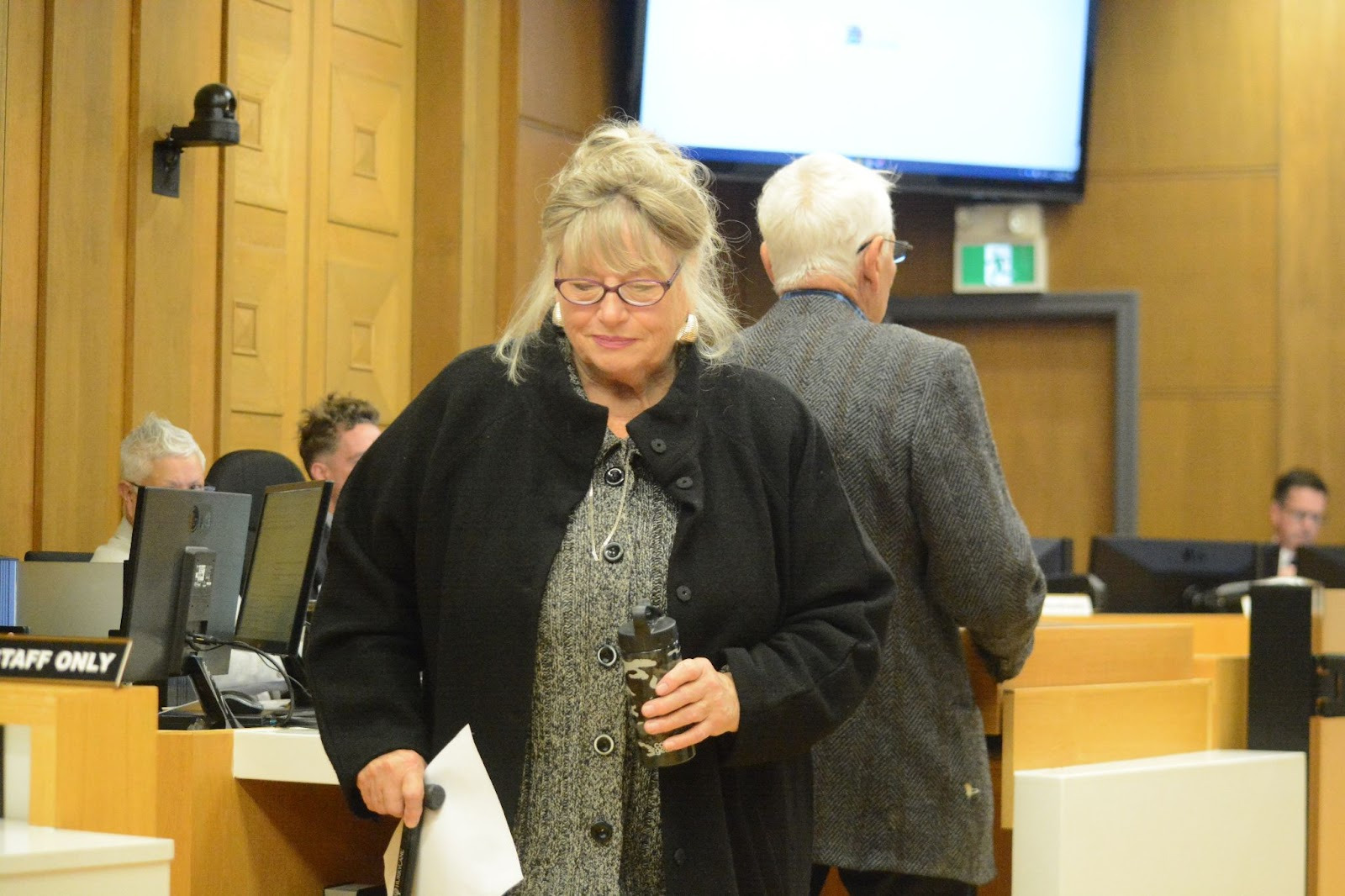
“In the [2017 UNIFOR report], we documented industrial processes in over 30 departments, identifying thousands of toxic chemicals and physical agents. Based on this work, we state without reservation that demolishing these buildings will put the community at great risk of exposure to highly toxic residues in the form of dust particulate, mists, gasses, liquids and vapours,” said Dale DeMatteo.
DeMatteo went on to list a few highlight findings from the report.
“Between 1945 and 2000, researchers from the Canada Blood Service contacted us seeking information to help interpret the results of a recent survey identifying the Peterborough region as having the highest level of lead in donated blood in Canada,” she said.
She stressed the impact of chemical exposure not only on GE workers, but also on the community at large, even decades after production dramatically slowed down.
“With respect to public exposure, beryllium was detected in the playground of Prince of Wales Elementary School, located directly across the street from the nuclear department. Timeline exposures indicate the level of beryllium in the playground continues to increase.”
Concluding the presentation, DeMatteo urged city council not to trust GE.
“Given the massive scale of toxic contamination in the plant and the fact that the demolition is requested primarily to decrease GE’s municipal tax burden, it is our view that GE is not positioned to safely and ethically handle a demolition of this scale and complexity.”
PODAC was not the only organization represented among the night’s delegate package, as PACAC Chair Stewart Hamilton took a stance on the curtailing of the GE complex’s heritage designation process.
Before last week’s general committee meeting, Hamilton had sent councillors a letter asking for the entire GE property to go before PACAC for consideration as a potential heritage site, not just the buildings recommended by ERA Architects, but his wishes went unheard.
In a brief presentation before council on October 14th, he belaboured the same point, requesting on behalf of PACAC that councillors follow the original motion from staff and order a peer review of ERA Architects’ heritage impact assessment before allowing the Committee to consider a designation for the entire site.
“It's important, I think, that we as a municipality rely upon our own experts, and that we take this information knowing that it was prepared for the property owner and their use,” he told the horseshoe.
Town Ward Councillor Joy Lachica then inquired with Hamilton about the nature of a designation.
“If a property is a listed under the municipality’s heritage listings for potential designation, is that listing the whole property?” She asked, to which Hamilton assented.
Upon receiving that confirmation, she asked Hamilton if an attempt from council to change which parts of the site were under consideration would be tantamount to de-listing it—something council is not permitted to do without consulting PACAC—to which Hamilton assented.
Later on, council heard the delegation of Miskin Law’s Daniel Miskin, who cast doubt on the notion that environmental remediation was not under council’s purview.
“The Ontario Building Code requires a demolition permit and some safety measures, but it was never designed to deal with chemical contamination,” Miskin said.
“Following the Building Code doesn't make this demolition safe without proper environmental testing, those same toxins can spread through the air, the water in our neighborhood. When these buildings come down, asbestos will not stay contained. It will travel. There's no safe level of exposure,” he warned.

“In March 2024,” Miskin explained, “the Ministry of Environment issued a director's order confirming contamination of the soil and the groundwater with PCBs, CCE, vinyl chloride and other carcinogens. PCBs have already reached Little Lake; contaminating sediments and solvent vapors continue to rise through the soil. The order requires GE to contain and treat these toxins and demolition risks breaking those systems and releasing what they were meant to hold.”
He closed his presentation with a point in direct contradiction to Leal, Parnell, and other councillors’ later claims that council could not regulate this demolition.
“This council has both the authority and obligation to act with the Municipal Act. You have the power to protect health, safety and the well being of residents. Section 97.1 allows you to regulate site alteration, including demolition and soil disturbance. The Supreme Court of Canada confirmed that municipalities can impose stricter environmental protections than the province when residents are at risk,” said Miskin.
At the end of more than an hour of public delegations, council deliberated on the amended motion to receive GE’s notice of intent to demolish part of their site (subsection A), signal council’s disinterest in designating the buildings set for demolition and not recommended by ERA architects (subsection B), and consult with PACAC about the possible designation of those recommended by ERA and not set for demolition (subsection C).
Monaghan Ward Councillor Matt Crowley returned with a completely new perspective on the issue from last week, when he had put forth an amendment to request an outline for a remediation plan and a qualified person’s assent that adequate environmental measures were in place as conditions to the demolition.
“We don't have the power as a municipality to directly tie environmental remediation to a demolition. I'm absolutely gobsmacked that we don't have the ability to do that,” he said.
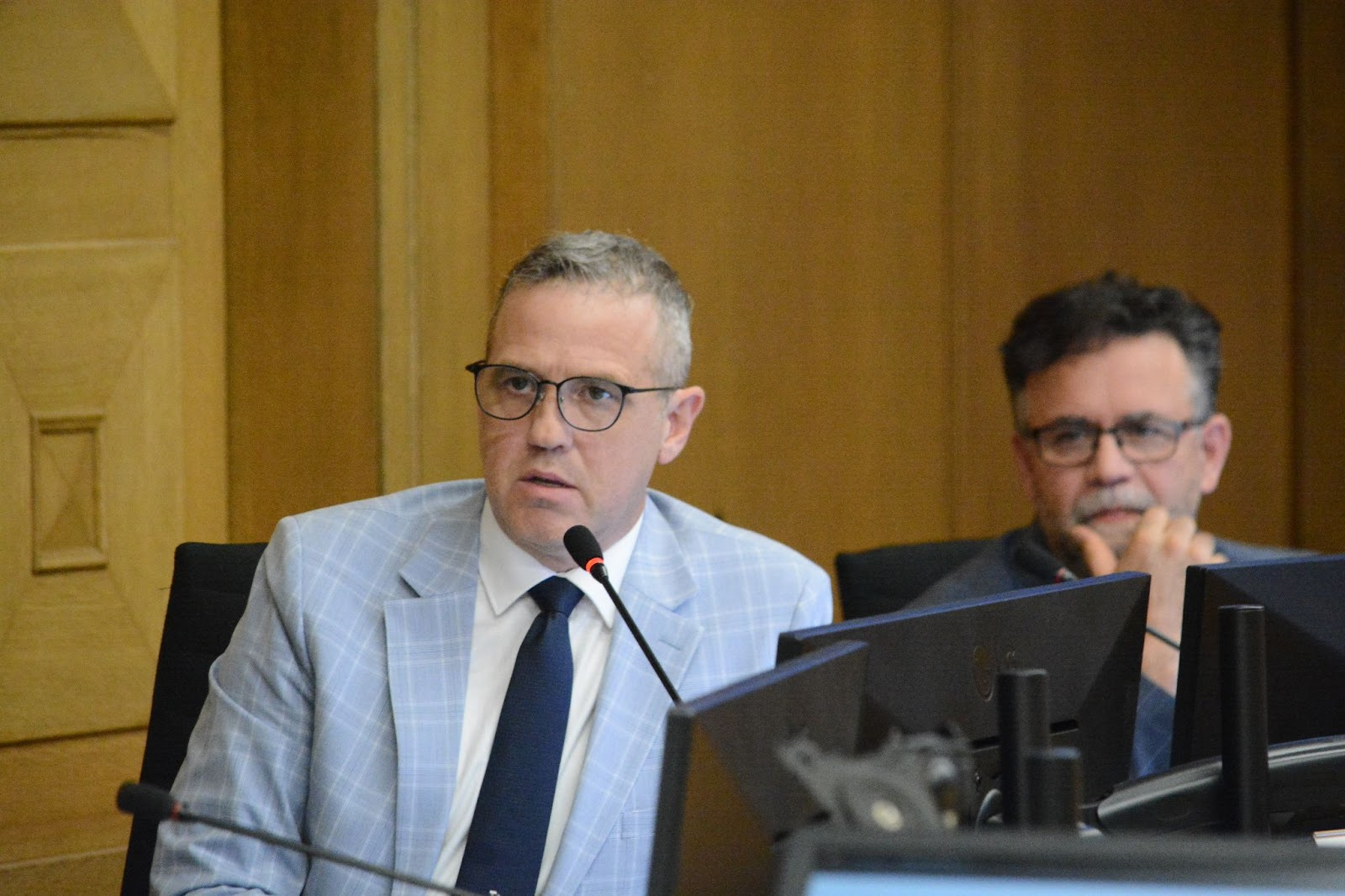
Northcrest Ward’s Councillor Dave Haacke sought some clarification following Miskin’s presentation.
“Can we compel GE to have a remediation plan, as suggested by Mr. Miskin?” He asked City Solicitor David Potts.
“I may actually have to defer to the Chief Building Official, but my understanding of the demolition permit process and applicable law for that purpose is that the answer is no,” answered Potts.

Acting CBO Jody Drumm was quick to jump in.
“It may require clarification from the councillor that made the statement, but what I heard was a by-law compelling an additional code requirement—if that's the state of the answer's no, the building code is prescribed by the province,” he said.
This led into further debates about the legality of Crowley’s proposed amendment from the week prior as well as that of the current motion, with Lachica reiterating her previous point that selecting buildings onsite for exemption from the heritage designation process was tantamount to illegally delisting the site.
These debates were soon interrupted, however, with Lachica’s wardmate Alex Bierk moving an amendment to request for staff to return to council with an outline for a health and safety plan for the prospective demolition.
Introducing the amendment, Bierk addressed the matter of council jurisdiction around the demolition.
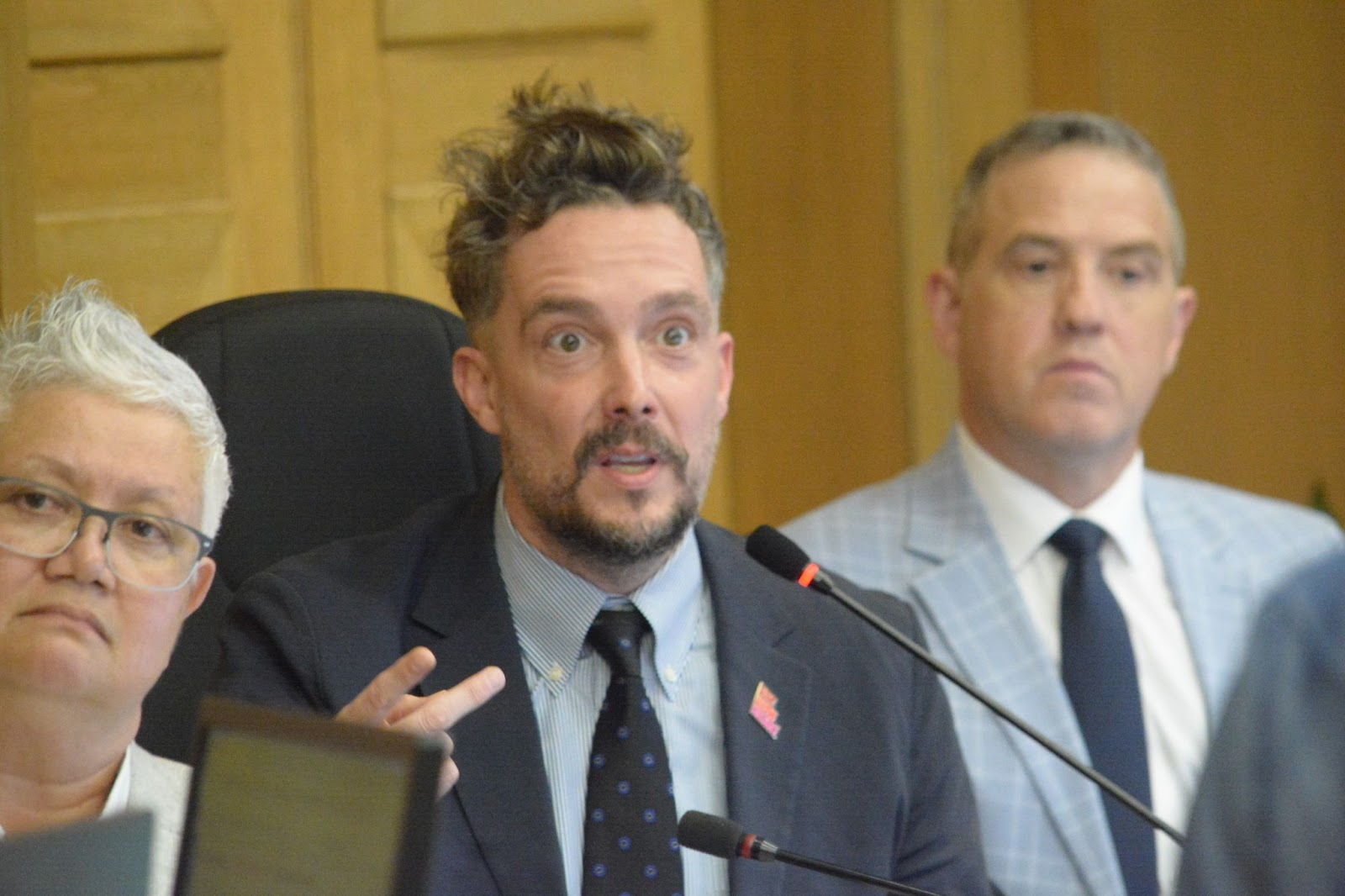
“The leverage is right in front of us. The leverage is that we take the staff recommendations to look at the heritage value of the site, our own heritage value of the site, not what General Electric is proposing,” he said.
While she stated her support of Bierk’s amendment, Councillor Lachica spoke mostly about the possibility of a deferral to the main motion, attaching stipulations to GE’s demolition like Crowley proposed the week prior.
“Municipalities do have the authority according to environmental law under Ontario’s Building Code Act to attach public safety conditions to demolition permits,” said Lachica.
“Across Ontario, cities such as Hamilton, Oshawa and Toronto have made air quality monitoring and dust suppression standards a normal part of redevelopment. Peterborough deserves that same standard of care.”
The following discussions followed much the same pattern, with the exception of Ashburnham Ward’s Gary Baldwin.
“A, there's no timeline. B, I have no idea on staff who's going to be able to do that,” he told his fellow councillors.
Following yet more meandering debates about the legality of Bierk’s amendment, Crowley’s failed amendment, the measures in other Ontario cities mentioned by Lachica, and the main motion, council came to a vote on Bierk’s amendment.
At the end of this vote, the horseshoe approved the amendment—for staff to return to council with an outline for a health and safety plan around the GE demolition—6-5. Opposed were Haacke, Leal, Parnell, her wardmate Kevin Duguay, and Baldwin.
Debates thereby returned to the main motion, now with an added subsection (D) from Bierk’s amendment.
Almost immediately, Councillor Duguay called the question. The question carried, ending all discussions and taking council into a vote on the main motion, though separated into four subsections.
First was a vote on subsection A to receive GE’s notice of intent to demolish their 107 Park Street North site, which carried, with only Lachica and Bierk opposed.
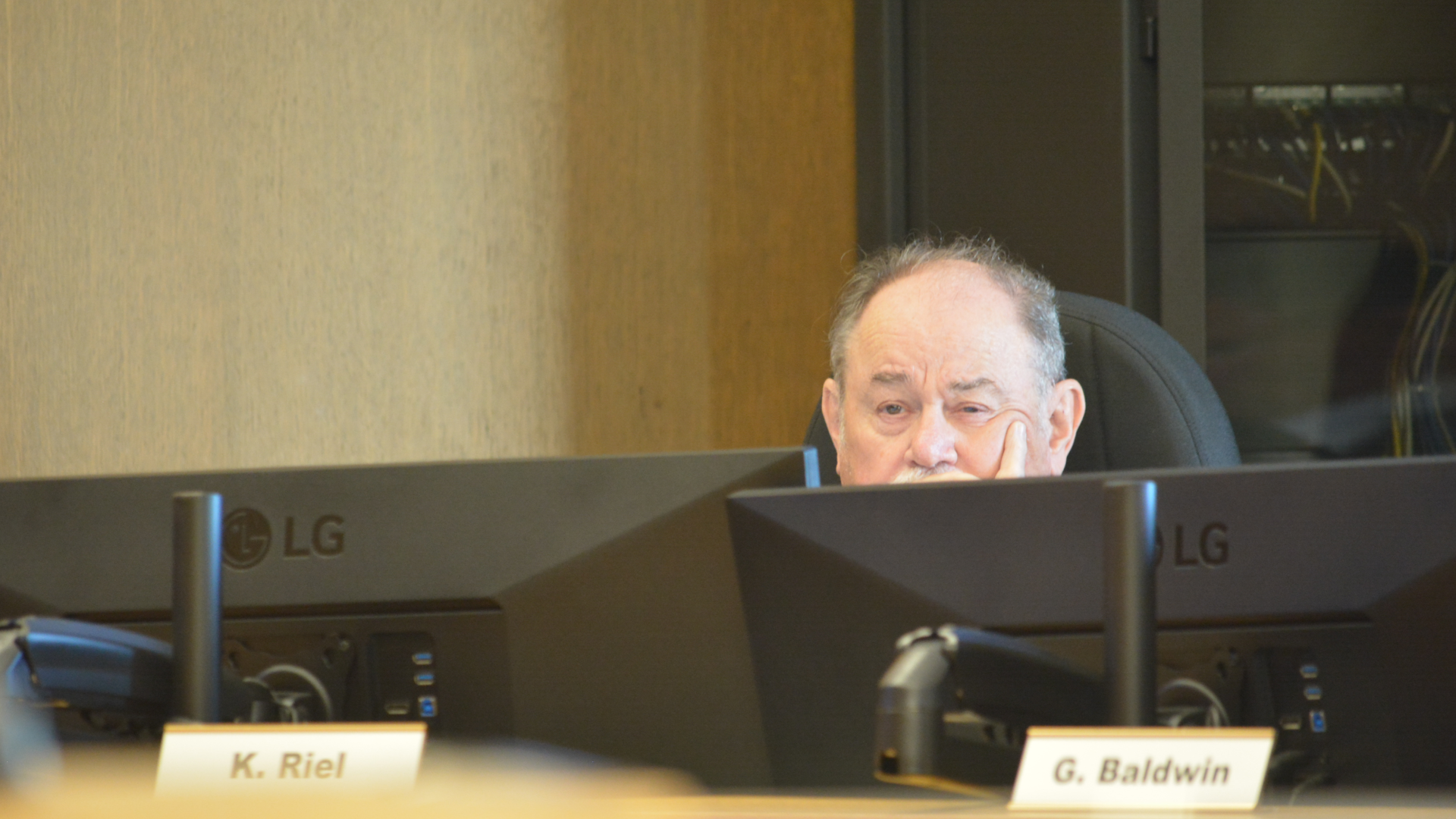
Then was subsection B to state council’s disinterest in designating the buildings on the site which were not recommended for designation in ERA Architects Inc.’s impact assessment report and are set to be demolished by GE. This subsection carried on a tighter margin, with Lachica, Bierk, Crowley, Baldwin and his Ashburham wardmate Keith Riel opposed.
Afterwards, councillors voted on subsection C to consult PACAC about the possible designation of the sites recommended in the heritage assessment. Coun. Riel was the sole opponent of the subsection.
Finally, council voted on Bierk’s amendment to request from staff an outline for a health and safety plan for the GE demolitions a second time. It carried once again.
Editor's Note: This article's headline has been corrected to accurately reflect decisions made at the October 14th meeting: Peterborough City Council voted to show no interest in designating any of the 25 buildings GE Vernova gave notice to demolish, and did not vote to approve any demolition on the site. Contents of this article have been also been corrected to reflect this.







.png)
The rich text element allows you to create and format headings, paragraphs, blockquotes, images, and video all in one place instead of having to add and format them individually. Just double-click and easily create content.
A rich text element can be used with static or dynamic content. For static content, just drop it into any page and begin editing. For dynamic content, add a rich text field to any collection and then connect a rich text element to that field in the settings panel. Voila!
"Headings, paragraphs, blockquotes, figures, images, and figure captions can all be styled after a class is added to the rich text element using the "When inside of" nested selector system."
The rich text element allows you to create and format headings, paragraphs, blockquotes, images, and video all in one place instead of having to add and format them individually. Just double-click and easily create content.
A rich text element can be used with static or dynamic content. For static content, just drop it into any page and begin editing. For dynamic content, add a rich text field to any collection and then connect a rich text element to that field in the settings panel. Voila!
"Headings, paragraphs, blockquotes, figures, images, and figure captions can all be styled after a class is added to the rich text element using the "When inside of" nested selector system."

.jpg)

.jpg)